Revibed, the store selling record rips, is closing
24 Nov 2026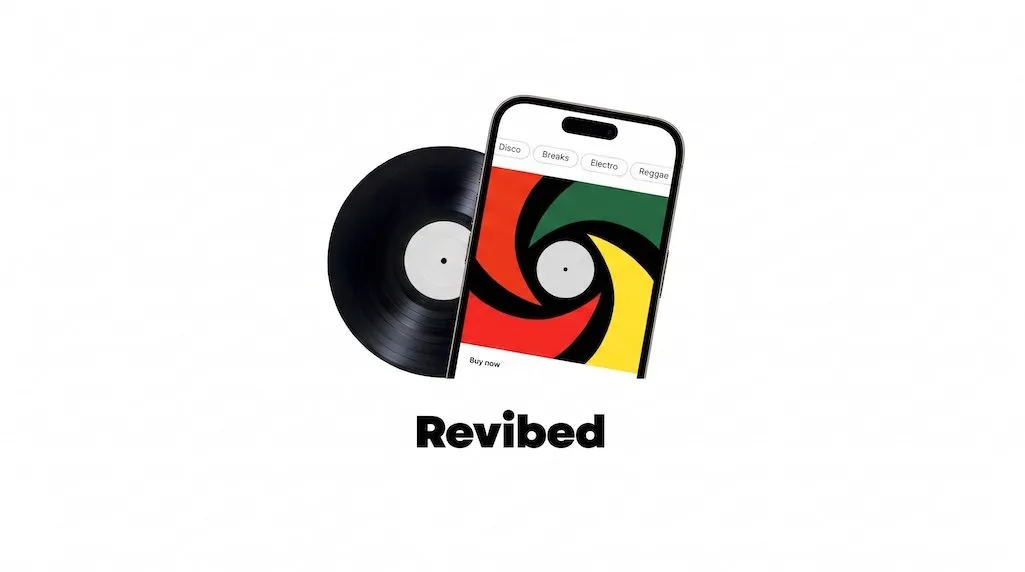 ABOUT KULISRevibed, the store selling record rips, is closing
A platform that set out to "preserve" rare records but was criticised for selling music without artists' permission is nearing its end. Launched in March 2024, Revibed sold files of vinyl, cassette and CD recordings digitised through user crowdfunding. In an Instagram announcement it said its business model "is simply not economically viable"; it will cease operations in its current form at the end of 2026 and asked users to spend their remaining balance before then. The company plans to return with a streaming product connecting listeners directly with artists.
Background
Revibed described itself as "the first-ever online music store with digital reissues" and ran a DJ mix series called Selectors. The files it sold were essentially "vinyl rips", digital copies of a record's audio. A Resident Advisor investigation in December 2025 found that it had an arrangement covering composition royalties but had not secured consent from master rights holders. None of the ten producers and labels contacted knew their music was on the site, and DJs such as Brawther openly criticised the platform.
Why it matters
Revibed's closure is a textbook case of the tension between the wish to "rescue" old and rare music and artists' consent and payment. Digitisation may sound like a cultural service, but selling recordings without clearing master rights is, in practice, not far from bootlegging. The closure suggests that this grey zone is not commercially sustainable in the long run either.
What it means for Turkey
We found no verified information that Revibed sold Turkish recordings or had any link to Turkey. But the debate is familiar here: Anatolian rock and old Turkish records are prized by collectors worldwide, and any reissue of them raises the same question: does the owner of the recording know, and get paid?
Source: Resident Advisor Further reading: Revibed, Revibed (Medium), Wikipedia, Resident Advisor (Dec 2025)