Why does your brain want to dance? The science of groove
22 Nov 2026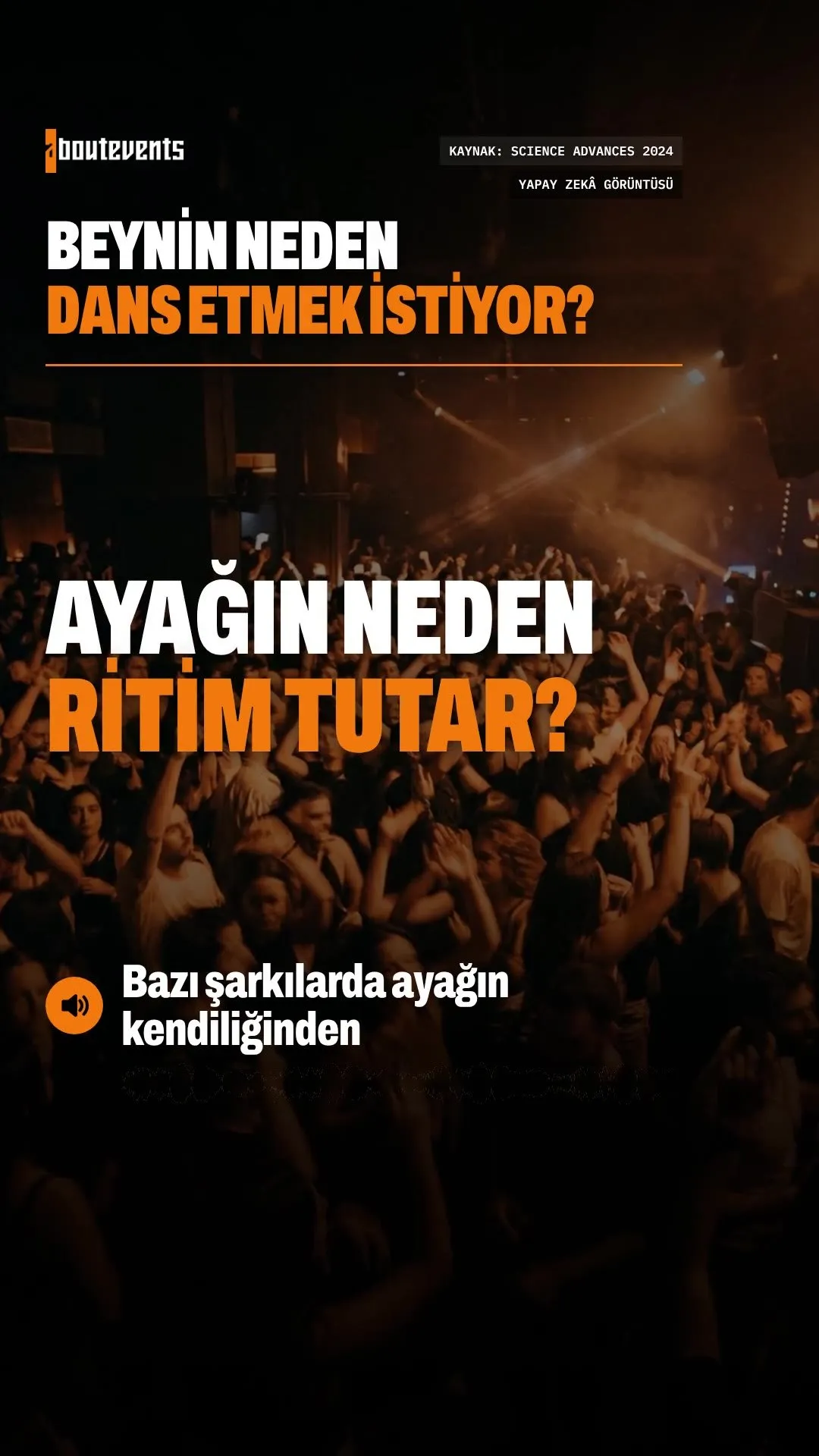 ABOUT KULISWhy does your brain want to dance? The science of groove
Why do some tracks get you moving while others leave you cold? The answer lies in how the brain predicts.
Not too simple, not too complex
In a 2024 Science Advances study (Zalta et al.), 111 people heard rhythms of varying complexity while brain activity was measured. They most wanted to dance to medium-complexity rhythms with a little surprise.
The brain as a prediction machine
The brain constantly predicts the next beat. Fully predictable rhythms are boring; fully unpredictable ones break prediction. When rhythm slightly breaks the prediction, we fill the gap with our bodies. That’s groove.
Syncopation and house
Four-on-the-floor kicks build a strong prediction base; off-beat hats, ghost notes and syncopated basslines gently break it.
Dancing together
In a 2016 Oxford silent-disco study by Tarr, Launay and Dunbar, people dancing in sync showed a higher pain threshold and felt closer to each other, linked to endorphin release.
For DJs
Balance familiarity and surprise, protect the groove, and create shared moments.
What do you think?
Which song last got you off your seat? Tell us in the comments of the About Events Instagram post.
Sources: Zalta et al., Science Advances (2024); Tarr, Launay, Dunbar (2016).